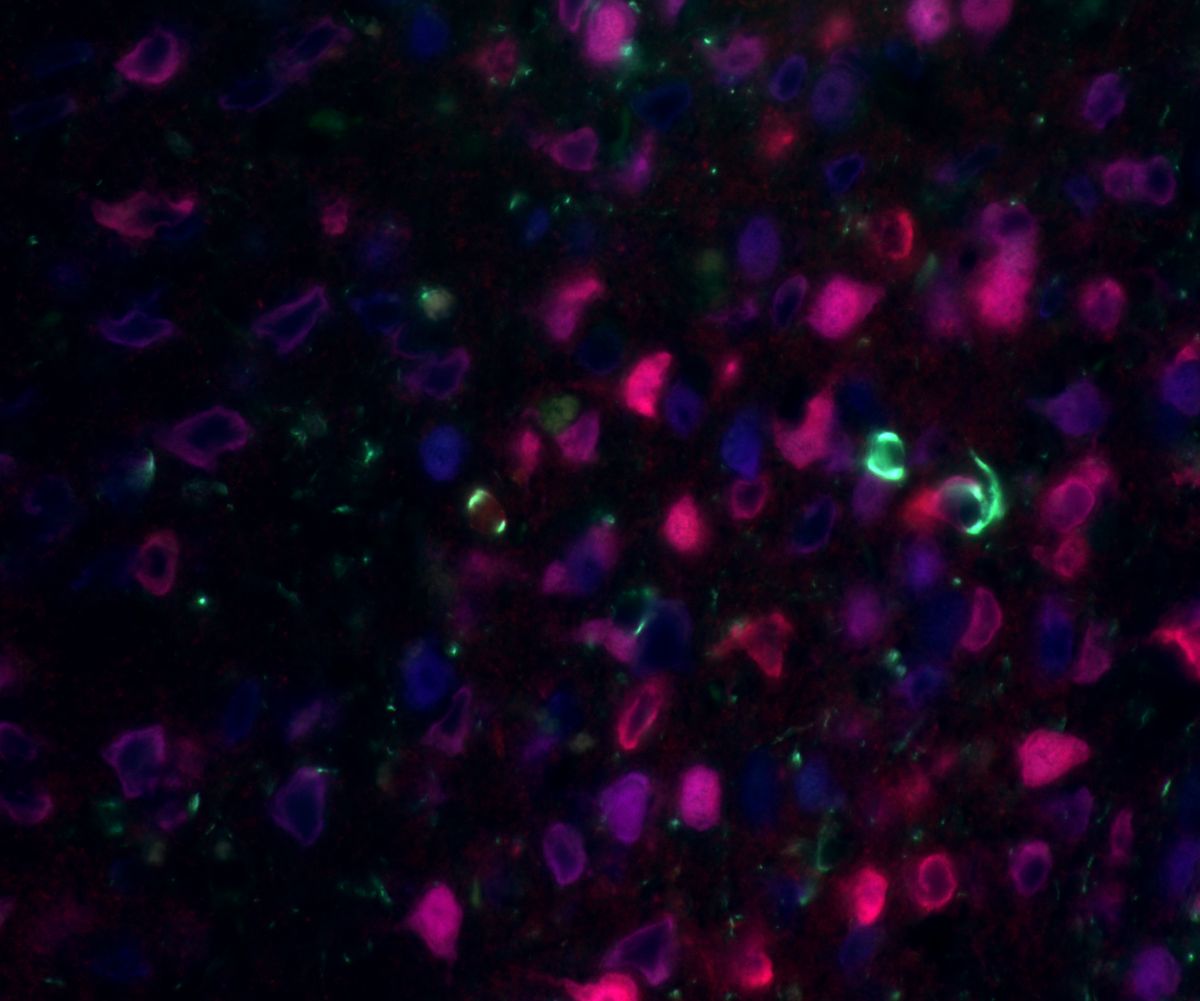
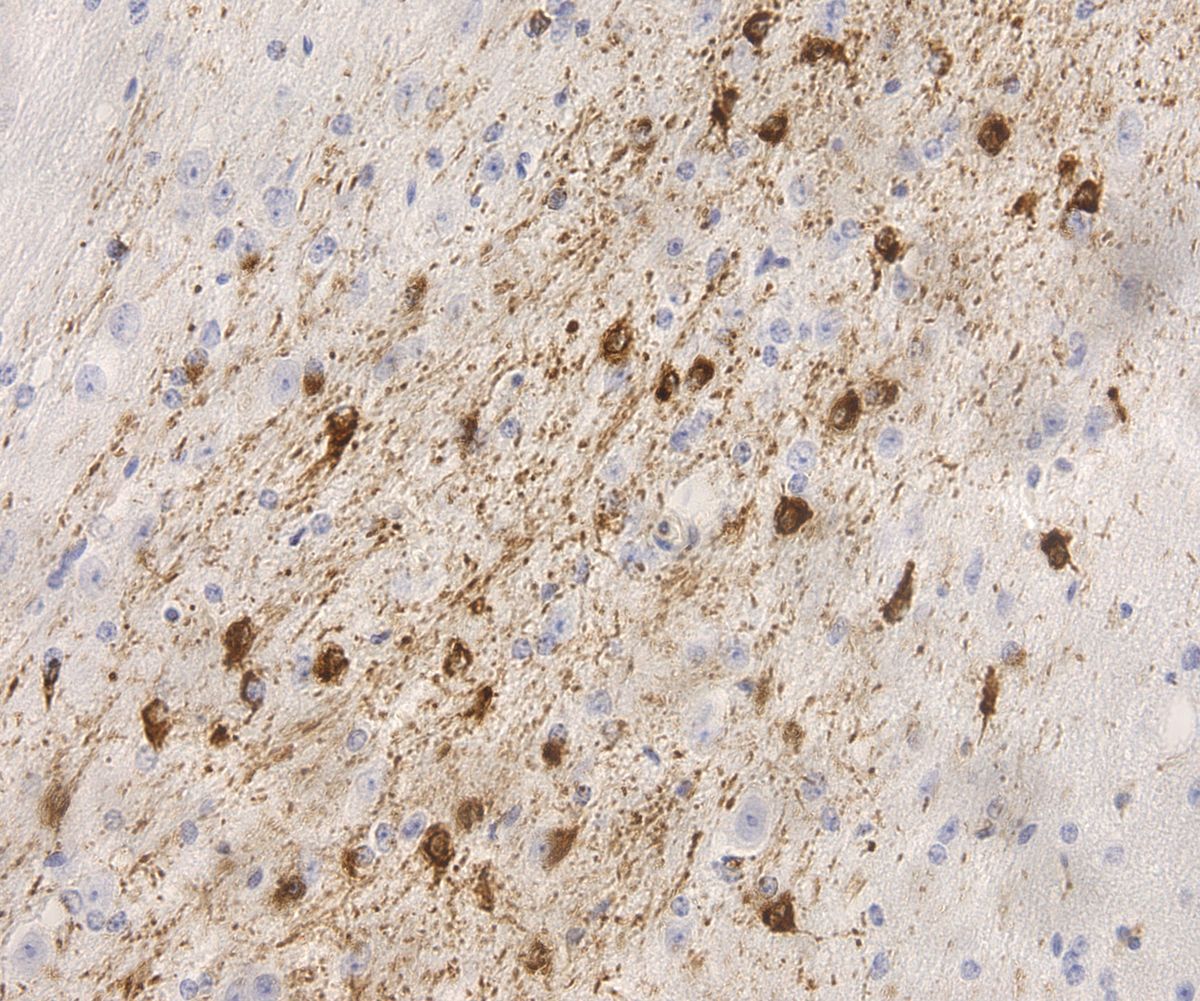
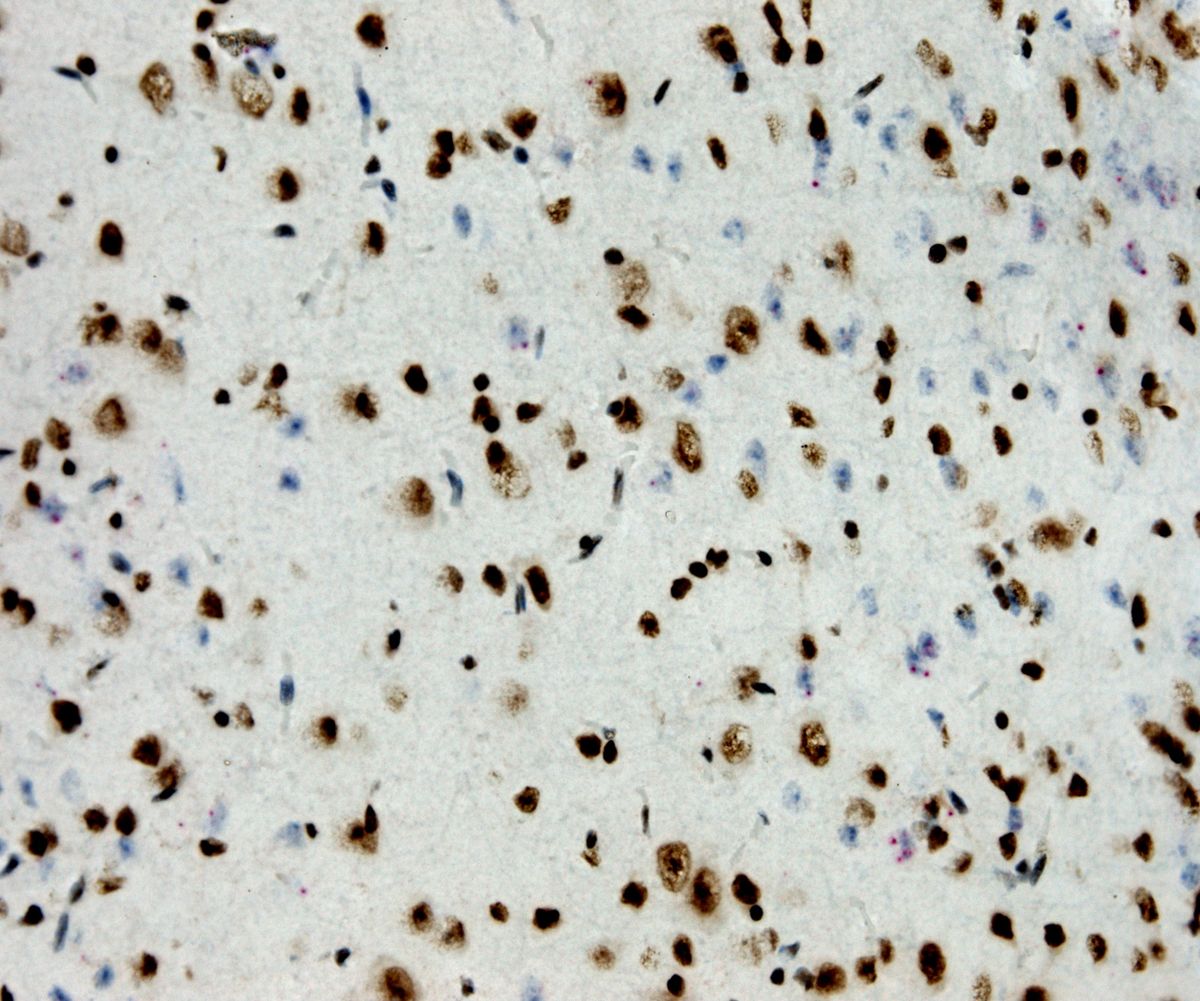
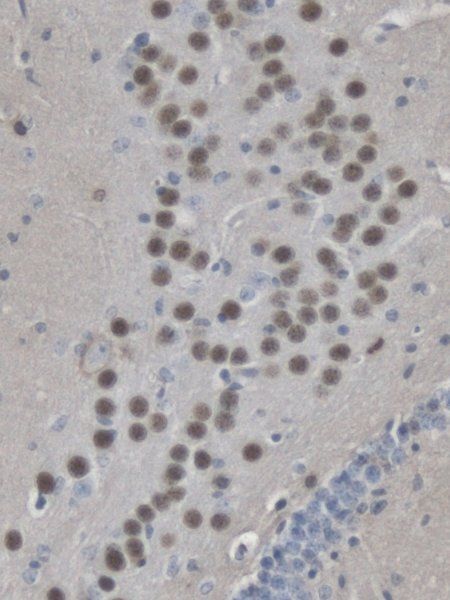
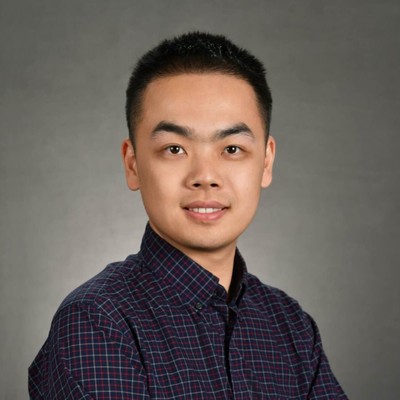
My research focuses on developing splicing-based therapies for TDP-43–related neurodegeneration. In Prof. Philip Wong’s lab at Johns Hopkins, I study how TDP-43 loss of function leads to cryptic exon inclusion and contributes to neurodegeneration. A major focus of my work is a chimeric therapeutic protein (CTR) that restores TDP-43 splicing repression without aggregation risk. Using AAV-based delivery in mouse models, I have demonstrated neuronal rescue, behavioral restoration, and cryptic exon repression. I am now advancing this approach toward human-compatible delivery using transferrin receptor–targeted AAV capsids.
My long-term goal is to become an independent investigator developing splicing-based therapies for ALS and frontotemporal dementia (FTD), while uncovering how TDP-43 dysfunction intersects with tau and α-synuclein pathology.
eRA Commons: Tianyu | Lab: Wong Lab | Department: Department of Pathology, Johns Hopkins School of Medicine
Education
Postdoctoral Fellow, Department of Pathology
2023-07-01
Johns Hopkins School of Medicine
Research Trainee, Department of Pathology
2019-09-01
2021-06-30
Johns Hopkins School of Medicine
M.D. and Residency, Clinical Science of Integrative Medicine
2018-09-01
2023-06-30
Beijing University of Chinese Medicine
B.M., Medicine
2013-09-01
2018-06-30
Beijing University of Chinese Medicine
Exchange Student, School of Biological Science
2015-01-01
2015-06-30
Nanyang Technological University
Research Interests
My research centers on understanding and treating TDP-43–mediated neurodegeneration through three interconnected themes:
TDP-43 & Cryptic Exon Biology
TDP-43 is an essential RNA-binding protein whose loss of function leads to the inappropriate inclusion of cryptic exons — normally silenced sequences that, when expressed, cause mRNA degradation or production of toxic proteins. I study the mechanisms by which TDP-43 depletion drives cryptic exon inclusion and how this process contributes to neuronal vulnerability and death in diseases like ALS and frontotemporal dementia (FTD).
AAV-based Gene Therapy for ALS/FTD
A major focus of my work is the development of a chimeric TDP-43 repressor (CTR) — an engineered therapeutic protein that restores TDP-43’s splicing repression function without the risk of aggregation. Using adeno-associated virus (AAV) vectors, I have demonstrated broad brain biodistribution, neuronal rescue, behavioral restoration, and cryptic exon repression in mouse models of FTD. I am now advancing this approach toward human-compatible delivery using transferrin receptor–targeted AAV capsids.
Multi-proteinopathy & Tau/α-Synuclein
Neurodegenerative diseases rarely involve a single pathological protein. I investigate how TDP-43 dysfunction intersects with tau and α-synuclein pathology — exploring whether loss of TDP-43 function sensitizes neurons to tau-mediated toxicity and how these co-pathologies contribute to the clinical heterogeneity seen in diseases such as Alzheimer’s disease and Lewy body dementia.
Baltimore Brain Series Award
Excellent Doctoral Thesis
First Prize, Data Analysis and Modeling Competition
Winner, Basic Research Category, Pathology Young Investigators’ Day
- Society for Neuroscience (SfN), Member, 2023–Present
- American Society of Gene+Cell Therapy (ASGCT), Member, 2024–Present
Tianyu Cao (曹天雨), M.D. Postdoctoral Fellow Wong Lab Department of Pathology Johns Hopkins School of Medicine
Email: tcao6@jh.edu
Address: 720 Rutland Avenue, Baltimore, MD 21205, USA